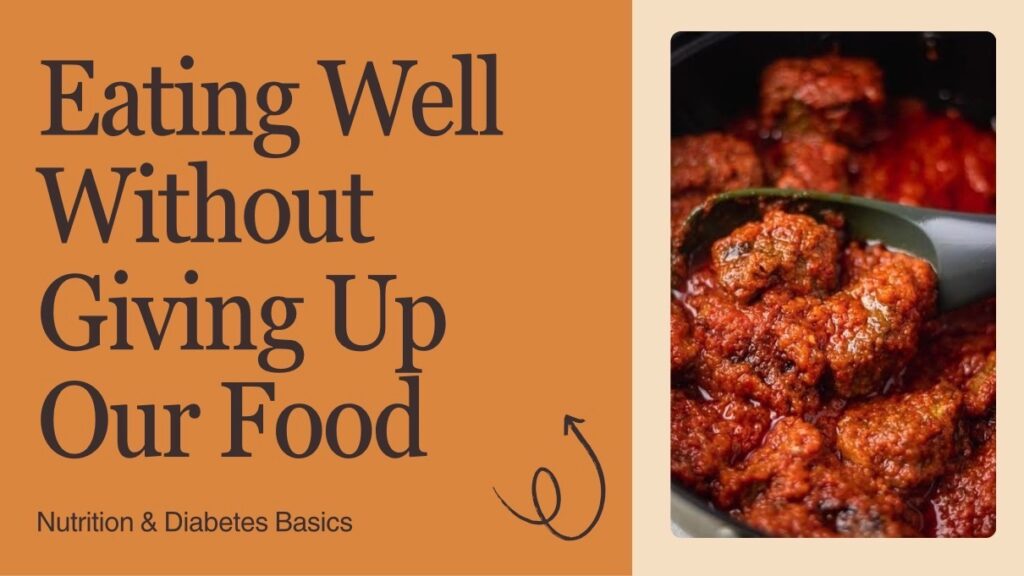
You do not need to abandon cultural foods to manage blood sugar, prevent diabetes, or eat healthily. Small, informed adjustments make a big difference.
For many people in our community, a visit to the doctor now comes with an unfamiliar and worrying label: “prediabetic” or “at risk for diabetes.” Often, the next thing we hear is a list of foods we are told to avoid—foods that feel foreign, restrictive, and disconnected from how we grew up eating.
This can make healthy eating feel overwhelming, discouraging, or even impossible.
The truth is far more hopeful: we do not need to give up our cultural foods to eat well or protect our health. With a better understanding of how food affects blood sugar—and a few practical adjustments—we can continue enjoying the meals we love while supporting our long-term health.
Why This Conversation Matters
Diabetes and prediabetes are becoming increasingly common, particularly in communities where traditional diets are high in carbohydrates like rice, swallow, yam, and bread. When people are told that these foods are “bad,” it can feel like an attack on culture rather than an invitation to better health.
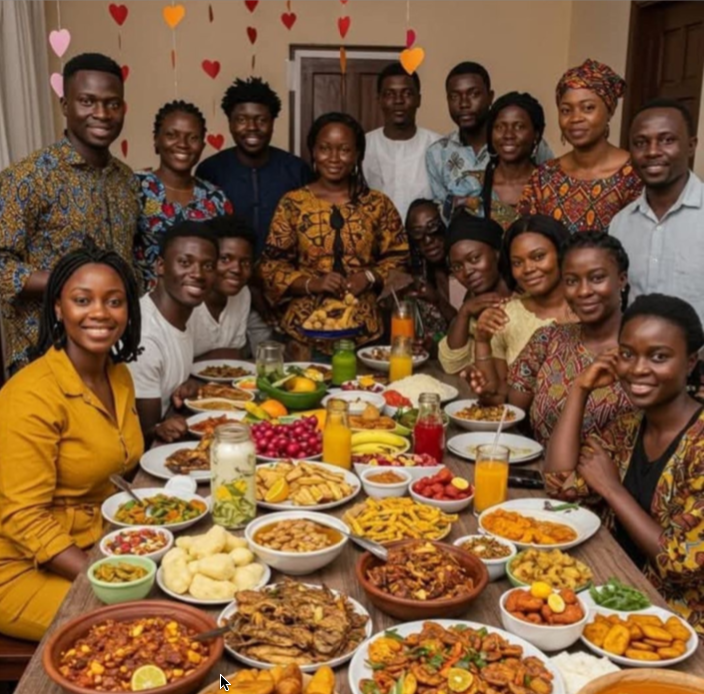
1. Why Food and Blood Sugar Are Connected
First, a quick explanation of what’s happening inside the body.
When you eat:
- You take in carbohydrates – rice, bread, yam, garri, swallow, pasta, potatoes, cereals, sugar.
- Your body breaks them down into glucose (sugar).
- Glucose enters the bloodstream.
- The hormone insulin helps move glucose from your blood into your cells, where it’s used for energy.
When everything is working well, blood sugar rises after a meal and then comes back down.
Prediabetes and Diabetes (Very Simply)
- Prediabetes: Blood sugar is higher than normal, but not yet in the diabetes range. It’s a warning sign.
- Type 2 diabetes: Blood sugar is high too often and for too long. Over time, this can damage your heart, kidneys, eyes, and nerves.
You may not feel this day to day. That’s why tests and lifestyle changes matter.
2. What Is A1c?
One of the most important tests for blood sugar is called A1c.
- It shows your average blood sugar over about 3 months, not just one day.
- It helps your doctor see the “big picture” of how your body is handling sugar.
Typical cut-offs (they can vary a little by country):
- Below ~5.7% → usually considered normal
- 5.7–6.4% → often called prediabetes
- 6.5% and above → usually in the diabetes range
These numbers are not meant to shame you. They’re information you can use to take action.

3. Glycemic Index: Why Some Foods Spike Sugar Faster
Not all carbs act the same way. This is where the idea of Glycemic Index (GI) helps.
Glycemic Index (GI) = how fast a food raises your blood sugar.
- High GI foods → cause a quick, sharp rise in blood sugar.
- Low GI foods → raise blood sugar more slowly and steadily.
Across many cultures, favorite staples tend to be higher GI, such as:
- White rice (including jollof, fried, or plain rice)
- White bread and many refined flours
- Swallows made from highly processed flours
- Sugary drinks and sweets
This doesn’t mean these foods are “evil.” It just means:
- Large amounts
- Very often
- Without enough vegetables or protein
…can push your blood sugar higher than your body can easily handle.
4. The Balanced Plate: Keep Your Food, Change the Portions
You do not need to reinvent your cuisine. You can keep your Nigerian, Ghanaian, Kenyan, Caribbean, South Asian, Latin, or Arab meals.
The key is how the plate is divided.
Think of your plate as a circle divided like this:
- ½ of the plate – Non-starchy vegetables
- Examples: spinach, ugu, efo, okra, cabbage, carrots, green beans, salads, mixed veggies.
- ¼ of the plate – Protein
- Examples: fish, chicken, eggs, goat meat, beef, beans, lentils, tofu.
- ¼ of the plate – Carbohydrates (starches)
- Examples: rice, swallow (eba, semo, amala, iyan), yam, potatoes, bread, pasta, plantain.
For a typical Nigerian meal, a healthier plate might look like:
- A generous serving of vegetable soup (efo riro, okra, egusi with lots of greens)
- A moderate portion of protein (fish, chicken, meat, beans)
- A smaller ball of swallow or smaller scoop of rice
Most of us currently eat the opposite: more starch, less vegetables. Flipping that ratio makes a big difference.
5. Rethinking Rice (and Other Starches)
Let’s be honest: rice is everywhere.
- Jollof at parties
- Fried rice at events
- White rice and stew on regular days
White rice:
- Is low in fiber
- Digests quickly
- Raises blood sugar fast
- Doesn’t keep you full for long on its own
Instead of banning rice:
- Reduce the portion size (less rice on the plate)
- Add more vegetables into the meal (in stews, stir-fries, or as sides)
- Use brown rice, basmati rice, bulgur, or quinoa more often
- Avoid combining large amounts of rice with other big starches in the same meal
The same logic applies to:
- Yam
- Potatoes
- Bread
- Pasta
- Noodles
- Swallow
You don’t have to cut them out. Just let them share space, not dominate.
6. Oils, Stews, and Flavor
African and many global cuisines love oil. Stews and soups are often rich and flavorful – and that’s okay.
But too much oil, especially certain types, can affect heart health and weight.
Practical oil tips
- Palm oil: very flavorful and part of many traditional dishes. It is high in saturated fat, so use small amounts instead of flooding the pot.
- Regular vegetable oil: try not to deep-fry large amounts of food every day.
- When possible, mix in canola or olive oil, which are more heart-friendly.
You can still cook the foods you love. The goal is:
Same taste, less oil, more vegetables.
7. Soups and Stews: Your Best Friends
One major advantage of Nigerian and many African cuisines is the variety of vegetable-rich soups and stews.
Examples:
- Efo riro (spinach-based stew)
- Okra soup
- Egusi with a lot of leafy greens
- Ogbono, ewedu, mixed vegetable stews
These dishes are:
- High in fiber
- Packed with vitamins and minerals
- Very filling
- Easy to pair with protein
Use them to your advantage:
- Fill at least half your plate with soup and vegetables.
- Reduce the amount of swallow or rice that goes with them.
A simple rule to remember:
More soup and vegetables. Less plain starch.
8. Swallow and Other Dense Foods: Still Allowed
Swallow is comfort food for many people:
- Eba
- Semo
- Amala
- Iyan (pounded yam)
- Plantain fufu
It would be unrealistic – and unnecessary – to say “never eat swallow again.”
What you can do:
- Make the ball of swallow smaller.
- Choose higher-fiber versions (wheat, oat, unripe plantain) when you can.
- Let the rest of the plate be vegetable soups and protein.
The idea is to fit swallow into a balanced plate, not to remove it from your life.
9. Three Quick Questions to Guide Every Meal
Before you eat, pause and look at your plate. Ask yourself:
- Where are my vegetables?
- Do they cover at least half of the plate?
- Where is my protein?
- Is there enough fish, meat, chicken, eggs, beans, or lentils to keep me full?
- How much starch is here?
- Is the rice/swallow/bread/potato portion small and controlled, or is it taking over?
If you adjust your plate based on these questions, you’re already moving toward:
- Better blood sugar control
- More stable energy
- Healthier weight
- Lower risk of diabetes complications
10. You Can Protect Your Health and Honor Your Culture
Healthy eating is not about becoming someone else or throwing away your grandmother’s recipes.
It’s about:
- Understanding how food works in your body
- Adjusting portions, combinations, and frequency
- Letting your cultural food nourish you instead of harm you
You can:
- Eat jollof, swallow, stews, yam, plantain
- Enjoy your spices and flavors
- Still take care of your heart, your blood sugar, and your future
You don’t have to give up your food.
You just have to rearrange the plate.
Leave a Reply