Blog

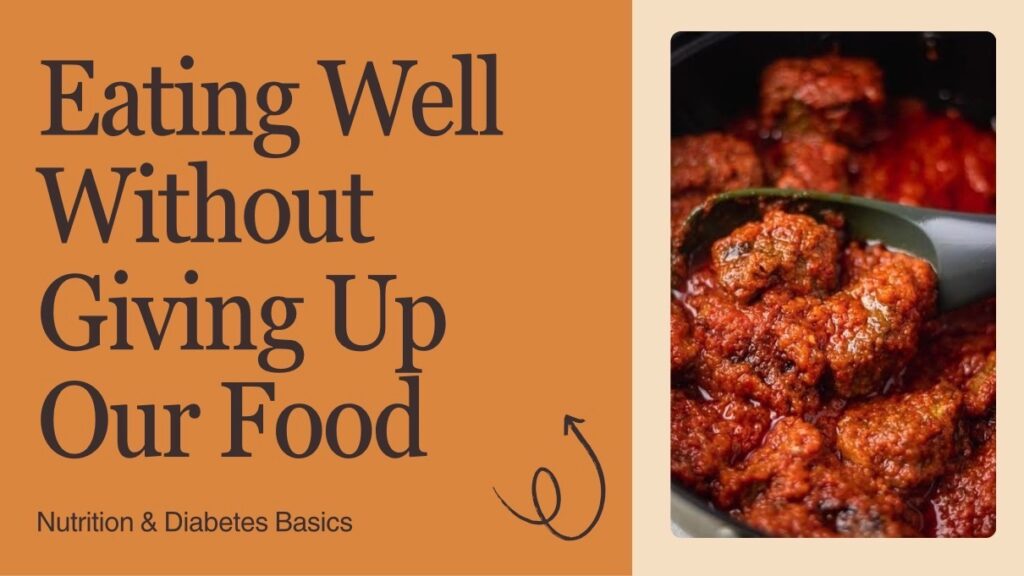
  • Eating well Without Giving Up Our Food.

    You do not need to abandon cultural foods to manage blood sugar, prevent diabetes, or eat healthily. Small, informed adjustments make a big difference.

    For many people in our community, a visit to the doctor now comes with an unfamiliar and worrying label: “prediabetic” or “at risk for diabetes.” Often, the next thing we hear is a list of foods we are told to avoid—foods that feel foreign, restrictive, and disconnected from how we grew up eating.

    This can make healthy eating feel overwhelming, discouraging, or even impossible.

    The truth is far more hopeful: we do not need to give up our cultural foods to eat well or protect our health. With a better understanding of how food affects blood sugar—and a few practical adjustments—we can continue enjoying the meals we love while supporting our long-term health.

    Why This Conversation Matters

    Diabetes and prediabetes are becoming increasingly common, particularly in communities where traditional diets are high in carbohydrates like rice, swallow, yam, and bread. When people are told that these foods are “bad,” it can feel like an attack on culture rather than an invitation to better health.
    1. Why Food and Blood Sugar Are Connected

    First, a quick explanation of what’s happening inside the body.

    When you eat:

    1. You take in carbohydrates – rice, bread, yam, garri, swallow, pasta, potatoes, cereals, sugar.
    2. Your body breaks them down into glucose (sugar).
    3. Glucose enters the bloodstream.
    4. The hormone insulin helps move glucose from your blood into your cells, where it’s used for energy.

    When everything is working well, blood sugar rises after a meal and then comes back down.

    Prediabetes and Diabetes (Very Simply)

    • Prediabetes: Blood sugar is higher than normal, but not yet in the diabetes range. It’s a warning sign.
    • Type 2 diabetes: Blood sugar is high too often and for too long. Over time, this can damage your heart, kidneys, eyes, and nerves.

    You may not feel this day to day. That’s why tests and lifestyle changes matter.


    2. What Is A1c?

    One of the most important tests for blood sugar is called A1c.

    • It shows your average blood sugar over about 3 months, not just one day.
    • It helps your doctor see the “big picture” of how your body is handling sugar.

    Typical cut-offs (they can vary a little by country):

    • Below ~5.7% → usually considered normal
    • 5.7–6.4% → often called prediabetes
    • 6.5% and above → usually in the diabetes range

    These numbers are not meant to shame you. They’re information you can use to take action.


    3. Glycemic Index: Why Some Foods Spike Sugar Faster

    Not all carbs act the same way. This is where the idea of Glycemic Index (GI) helps.

    Glycemic Index (GI) = how fast a food raises your blood sugar.

    • High GI foods → cause a quick, sharp rise in blood sugar.
    • Low GI foods → raise blood sugar more slowly and steadily.

    Across many cultures, favorite staples tend to be higher GI, such as:

    • White rice (including jollof, fried, or plain rice)
    • White bread and many refined flours
    • Swallows made from highly processed flours
    • Sugary drinks and sweets

    This doesn’t mean these foods are “evil.” It just means:

    • Large amounts
    • Very often
    • Without enough vegetables or protein

    …can push your blood sugar higher than your body can easily handle.


    4. The Balanced Plate: Keep Your Food, Change the Portions

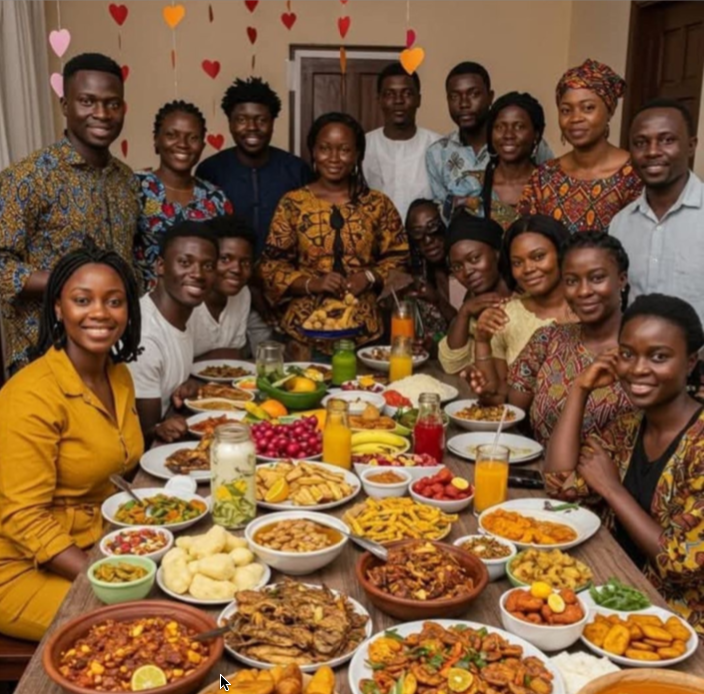
    You do not need to reinvent your cuisine. You can keep your Nigerian, Ghanaian, Kenyan, Caribbean, South Asian, Latin, or Arab meals.

    The key is how the plate is divided.

    Think of your plate as a circle divided like this:

    • ½ of the plate – Non-starchy vegetables
      • Examples: spinach, ugu, efo, okra, cabbage, carrots, green beans, salads, mixed veggies.
    • ¼ of the plate – Protein
      • Examples: fish, chicken, eggs, goat meat, beef, beans, lentils, tofu.
    • ¼ of the plate – Carbohydrates (starches)
      • Examples: rice, swallow (eba, semo, amala, iyan), yam, potatoes, bread, pasta, plantain.

    For a typical Nigerian meal, a healthier plate might look like:

    • A generous serving of vegetable soup (efo riro, okra, egusi with lots of greens)
    • A moderate portion of protein (fish, chicken, meat, beans)
    • A smaller ball of swallow or smaller scoop of rice

    Most of us currently eat the opposite: more starch, less vegetables. Flipping that ratio makes a big difference.


    5. Rethinking Rice (and Other Starches)

    Let’s be honest: rice is everywhere.

    • Jollof at parties
    • Fried rice at events
    • White rice and stew on regular days

    White rice:

    • Is low in fiber
    • Digests quickly
    • Raises blood sugar fast
    • Doesn’t keep you full for long on its own

    Instead of banning rice:

    • Reduce the portion size (less rice on the plate)
    • Add more vegetables into the meal (in stews, stir-fries, or as sides)
    • Use brown rice, basmati rice, bulgur, or quinoa more often
    • Avoid combining large amounts of rice with other big starches in the same meal

    The same logic applies to:

    • Yam
    • Potatoes
    • Bread
    • Pasta
    • Noodles
    • Swallow

    You don’t have to cut them out. Just let them share space, not dominate.


    6. Oils, Stews, and Flavor

    African and many global cuisines love oil. Stews and soups are often rich and flavorful – and that’s okay.

    But too much oil, especially certain types, can affect heart health and weight.

    Practical oil tips

    • Palm oil: very flavorful and part of many traditional dishes. It is high in saturated fat, so use small amounts instead of flooding the pot.
    • Regular vegetable oil: try not to deep-fry large amounts of food every day.
    • When possible, mix in canola or olive oil, which are more heart-friendly.

    You can still cook the foods you love. The goal is:

    Same taste, less oil, more vegetables.


    7. Soups and Stews: Your Best Friends

    One major advantage of Nigerian and many African cuisines is the variety of vegetable-rich soups and stews.

    Examples:

    • Efo riro (spinach-based stew)
    • Okra soup
    • Egusi with a lot of leafy greens
    • Ogbono, ewedu, mixed vegetable stews

    These dishes are:

    • High in fiber
    • Packed with vitamins and minerals
    • Very filling
    • Easy to pair with protein

    Use them to your advantage:

    • Fill at least half your plate with soup and vegetables.
    • Reduce the amount of swallow or rice that goes with them.

    A simple rule to remember:

    More soup and vegetables. Less plain starch.


    8. Swallow and Other Dense Foods: Still Allowed

    Swallow is comfort food for many people:

    • Eba
    • Semo
    • Amala
    • Iyan (pounded yam)
    • Plantain fufu

    It would be unrealistic – and unnecessary – to say “never eat swallow again.”

    What you can do:

    • Make the ball of swallow smaller.
    • Choose higher-fiber versions (wheat, oat, unripe plantain) when you can.
    • Let the rest of the plate be vegetable soups and protein.

    The idea is to fit swallow into a balanced plate, not to remove it from your life.


    9. Three Quick Questions to Guide Every Meal

    Before you eat, pause and look at your plate. Ask yourself:

    1. Where are my vegetables?
      • Do they cover at least half of the plate?
    2. Where is my protein?
      • Is there enough fish, meat, chicken, eggs, beans, or lentils to keep me full?
    3. How much starch is here?
      • Is the rice/swallow/bread/potato portion small and controlled, or is it taking over?

    If you adjust your plate based on these questions, you’re already moving toward:

    • Better blood sugar control
    • More stable energy
    • Healthier weight
    • Lower risk of diabetes complications

    10. You Can Protect Your Health and Honor Your Culture

    Healthy eating is not about becoming someone else or throwing away your grandmother’s recipes.

    It’s about:

    • Understanding how food works in your body
    • Adjusting portions, combinations, and frequency
    • Letting your cultural food nourish you instead of harm you

    You can:

    • Eat jollof, swallow, stews, yam, plantain
    • Enjoy your spices and flavors
    • Still take care of your heart, your blood sugar, and your future

    You don’t have to give up your food.
    You just have to rearrange the plate.

  • Chef Moses Inc: Harnessing AI to Tackle Global Hunger, Health, and Sustainability

    Chef Moses Inc: Harnessing AI to Tackle Global Hunger, Health, and Sustainability

    Introduction: The Urgent Challenge of Global Hunger and Health Inequity

    Despite progress in reducing hunger and poverty over the last few decades, global hunger remains a critical challenge. Today, over 690 million people suffer from hunger, and 349 million people are at risk of starvation. The COVID-19 pandemic further exacerbated this crisis, exposing vulnerabilities in global food supply chains, causing widespread job losses, and pushing millions into food insecurity.

    In low- and middle-income countries, poverty, conflict, and the effects of climate change continue to undermine efforts to improve food security and health outcomes. Malnutrition, both undernutrition and obesity-related non-communicable diseases, remains a major public health challenge that strains healthcare systems and hinders sustainable development.

    At Chef Moses Inc , we envision a future where everyone has access to nutritious food, regardless of geography or income. Chef Moses is an AI-powered mobile application that addresses hunger, health disparities, and climate challenges by providing personalized nutrition guidance, recipe recommendations, and access to affordable ingredients through an inclusive digital marketplace.

    Our mission is:
    “To help people Eat Well and Spend Less.”
    Our vision is:
    To reduce World Hunger, Diseases, Food Wastage, and Global Warming.

    Chef Moses leverages artificial intelligence and machine learning to analyze users’ dietary profiles, available ingredients, cultural preferences, and vital signs. It delivers personalized meal plans and healthy recipes tailored to their health needs, cooking skills, and cultural backgrounds. The platform also offers a grocery delivery service, linking local farmers, markets, and small-scale retailers with consumers, fostering inclusive economic growth.

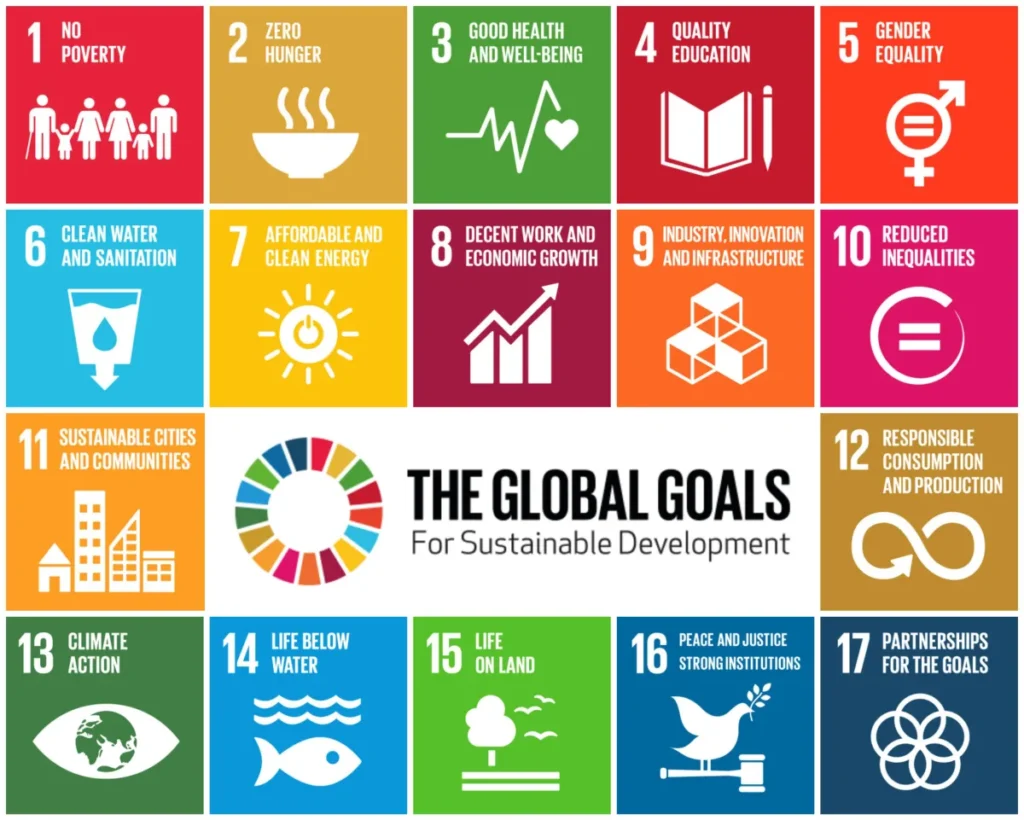
    Chef Moses and the United Nations Sustainable Development Goals (SDGs)

    Our approach contributes not just to SDG 2: Zero Hunger, but also advances several other SDGs that the UN emphasizes in its development cooperation strategy:

    Goal 2: Zero Hunger

    • Directly combating hunger and malnutrition, Chef Moses ensures that vulnerable populations access affordable, nutritious meals.

    Goal 3: Good Health and Well-Being

    • Chef Moses promotes healthy eating habits, reduces diet-related diseases, and enables users to take control of their health through personalized nutrition plans and AI-powered health insights.

    Goal 12: Responsible Consumption and Production

    • By reducing food waste, maximizing ingredient use, and connecting consumers with sustainable food sources, Chef Moses encourages sustainable consumption behaviors.

    Goal 13: Climate Action

    • Chef Moses promotes climate-friendly diets (e.g., plant-based recipes) and reduces the environmental footprint of food production and distribution through local sourcing.

    Goal 8: Decent Work and Economic Growth

    • Our digital marketplace empowers smallholder farmerswomen-owned businesses, and SMEs, promoting inclusive economic participation.

    Goal 10: Reduced Inequalities

    • Chef Moses provides equitable access to nutrition and health resources, especially for marginalized and underserved populations.

    Goal 11: Sustainable Cities and Communities

    • By working with local food systems, Chef Moses strengthens urban resilience and community-based food security initiatives.

    Goal 17: Partnerships for the Goals

    • Chef Moses actively seeks partnerships with governments, NGOs, researchers, and development agencies to amplify collective impact

    Chef Moses’ Impact and Future Outlook

    Health Impact

    • Reduction in malnutrition and non-communicable diseases through personalized health interventions.
    • Preventive health care using AI insights to improve dietary choices and reduce healthcare burdens.

    Social and Economic Impact

    • Increased economic opportunities for local farmers and SMEs, including women-led enterprises.
    • Empowerment of low-income households by reducing the cost of healthy eating.
    • Employment creation through local logistics, supply chain management, and retail partnerships.

    Environmental Impact

    • Reduction of food waste through smart meal planning and optimized ingredient usage.
    • Promotion of sustainable agricultural practices and climate-friendly diets.

    Conclusion: Co-Creating a Healthier, Sustainable World

    Chef Moses represents a transformative approach to ending hungerimproving health outcomes, and building sustainable economies through technology-driven solutions. We seek partnerships to scale our impactexpand our reach, and advance global health equity.

    Together, we can make the right to health and nutritious food a reality for all, ensuring no one is left behind in the pursuit of sustainable development.

    Most people wait for change. You create it.

    At Chef Moses, we’re not just feeding people—we’re building a future where health and nutrition are a right, not a privilege. Every dollar you give delivers immediate relief and powers sustainable solutions that end hunger for good.

    People like you have already made a difference. Now, it’s your turn.

    Act now—because the longer we wait, the more lives are at risk.

  • Elias Ibrahim: The Visionary Founder Behind Chef Moses

    Elias Ibrahim: The Visionary Founder Behind Chef Moses

    Revolutionizing Health and Wellness Through Innovation

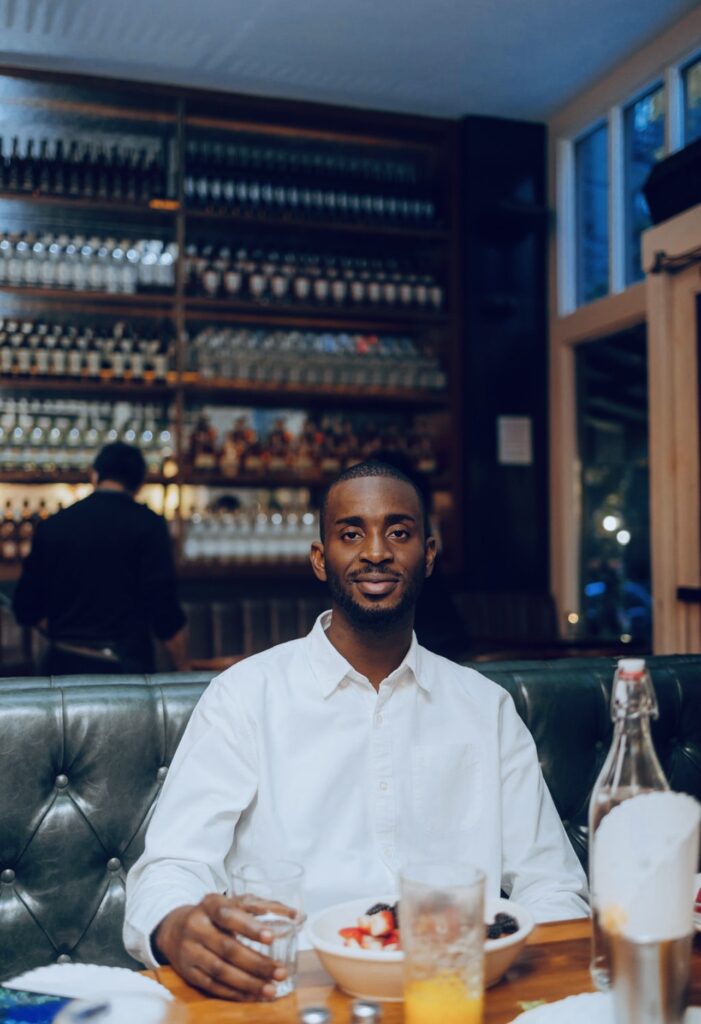
    Elias Ibrahim, a dynamic entrepreneur and industrial engineer, is the visionary force behind Chef Moses Inc., a company dedicated to improving health and wellness through cutting-edge technology and culinary expertise. With a track record of entrepreneurial success, Elias has seamlessly combined his passion for innovation with a commitment to making nutritious meals accessible and enjoyable.

    Chef Moses Inc.: A Mission for Healthier Living

    Growing up in Lagos, Nigeria, eating healthy wasn’t just a choice—it was a way of life. Fresh, organic food sourced locally was part of every meal. Simple, nourishing, and packed with the energy he needed to thrive, these meals powered Elias throughout his day. But when Elias moved to the United States to pursue his master’s degree, life changed. The hustle of student life, with late nights of studying and adjusting to a new culture, led him down the path of convenience. Quick, processed meals from the grocery store became his go-to.

    At first, the changes were subtle—just small compromises here and there. But over time, Elias noticed the shift. His energy began to dip. He gained weight. His focus and motivation faltered. It wasn’t just about food—it was about feeling disconnected from the best version of himself. That’s when he realized something needed to change.

    The turning point came when Elias made a commitment to return to his roots—cooking again, but this time with intention. Choosing whole, natural foods became his focus, even if it meant putting in extra time and effort. At first, it wasn’t easy. But each meal was a victory. Every choice to go fresh over fast made him feel sharper, more energized, and more in control. That sense of reward was enough to keep him going, and little by little, he began feeling like himself again.

    As Elias’ health improved, so did his studies. He completed his master’s program with a renewed sense of focus and energy—something he credits largely to his decision to be intentional about his diet. And that’s the message Elias wants to share: it doesn’t have to be perfect from the start. The journey to better health is about making small, consistent choices that add up over time.

    Today, Elias brings his experience and passion for healthy living into Chef Moses Inc., a company founded with the vision of revolutionizing the way we approach health and wellness through food. With Chef Moses, Elias is committed to helping others take control of their health—one meal at a time.

    Elias believes health isn’t just about what’s on your plate; it’s about showing up as your best self in every aspect of life. And sometimes, the first step towards that is as simple as cooking dinner with intention.

    A Legacy of Innovation

    Before founding Chef Moses Inc., Elias built an impressive resume as an award-winning entrepreneur and engineer. From interning with Toyota to his early success with Fuja Motors, an automobile company he founded during his undergraduate studies, to his involvement in AI-driven wellness solutions, Elias has always sought to push boundaries. His expertise in industrial engineering and business administration has allowed him to develop solutions that streamline system thinking with optimizing processes, supply chains, and enhancing customer experiences.

    Beyond Business: A Commitment to Community

    Beyond Business: A Commitment to Community

    Elias Ibrahim is not just an entrepreneur; he is a transformational leader dedicated to social impact. His work extends far beyond profit, influencing industries and communities alike. Recognized with a United States Certificate of Congressional Recognition by Sheila Jackson Lee, Elias has been lauded for his contributions to economic development and social entrepreneurship.

    The Future of Chef Moses Inc.

    With Elias at the helm, Chef Moses Inc. is poised for rapid growth, expanding its reach and influence in the AI-driven food and wellness industry. His vision is to bridge the gap between technology and nutrition, ensuring that people from all walks of life can access meals that nourish the body, mind, and soul.

    As Elias Ibrahim continues to innovate and inspire, one thing is clear: Chef Moses Inc. is more than a company—it’s a movement toward a healthier, more sustainable future.